Why Instagram Is Working Against You (And It’s Not Your Fault)
Instagram wasn't built for small businesses. It was built to keep people scrolling. Understanding that changes everything.
Can we talk about the treadmill?
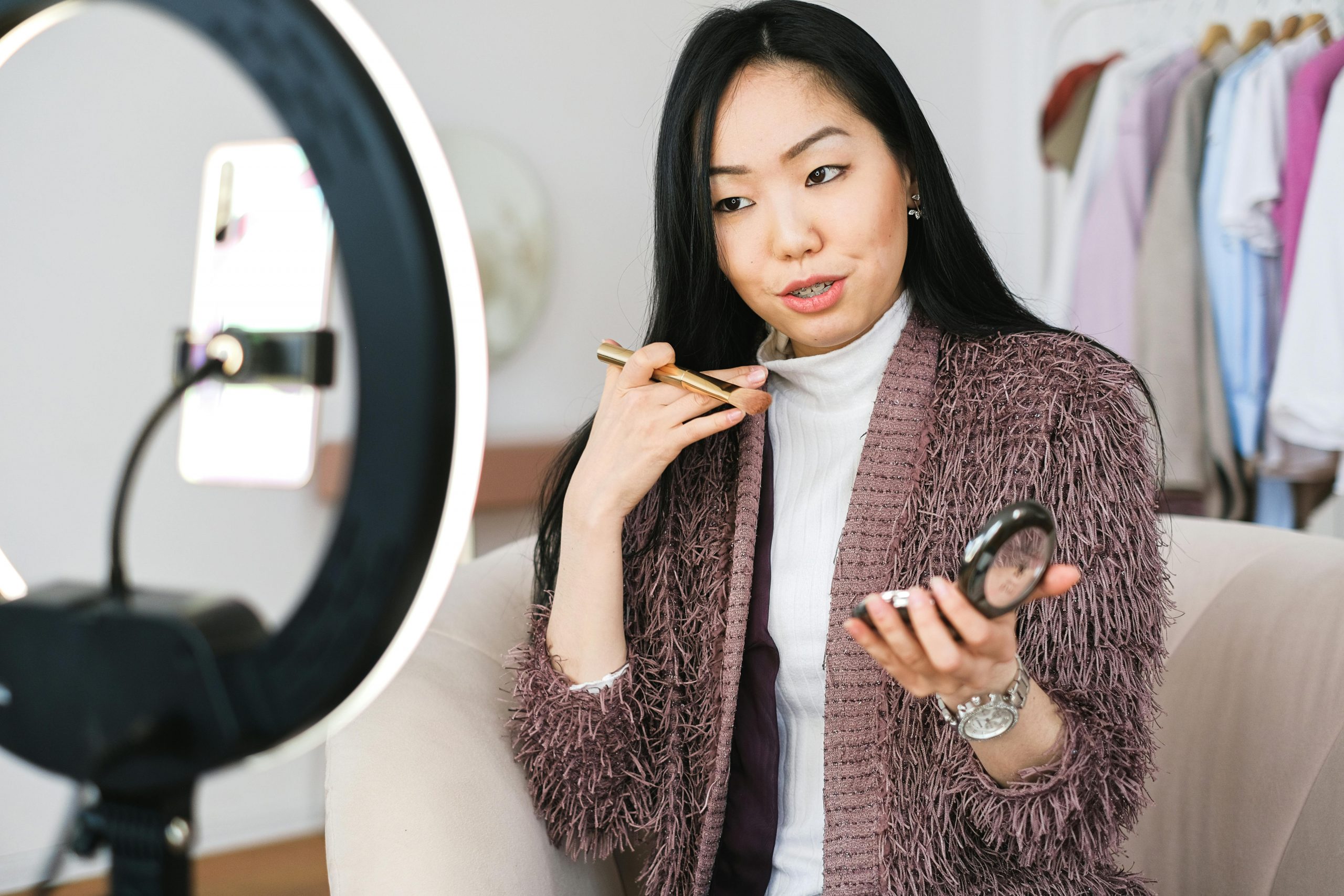
The one where you post something, spend twenty minutes on the caption, agonise over whether to use a Reel or a carousel, add your hashtags, and then watch it get fourteen likes, twelve of which are from people who will never buy from you, while a video of someone's dog gets 40,000 views.
You post again and you get the ame result. So you try a different format, same result. You post at a different time, same result. You start to wonder if you're just...bad at this. If everyone else has cracked some code you can't find. If maybe you should just try harder.
Here's what I want to tell you: it's not you. The platform is not working in your favour. And understanding why is the first step to stopping the treadmill.
What happened to organic reach - and when
Instagram was genuinely useful for small businesses until roughly 2018-2019. When it was primarily a photo-sharing app, if you had good content and showed up consistently, people who followed you actually saw your posts. Organic reach was real.
Then two things happened. First, the platform got crowded. Millions more accounts meant the feed became impossible to curate without an algorithm making decisions for you. Second - and more importantly — Instagram became a business. Meta needs to sell advertising. And the most effective way to sell advertising is to suppress organic reach so that businesses have to pay to reach the audience they already built for free.
The average organic reach for a business post on Instagram in 2024 was somewhere between 3 and 9 percent of followers. That means if you have a thousand followers, nine to ninety people see your post. And of those, a fraction will actually click through to anything.
"You didn't lose your audience. Instagram is just charging you to talk to them now - and they didn't warn you that was the plan."
This isn't Instagram being malicious. It's just a business making business decisions. But it does mean that the rules you were playing by don't exist anymore, and continuing to play by them is costing you time you don't have.
The paid ad secret behind "successful" accounts
When you see a female entrepreneur on Instagram who appears to have a large, engaged following and seems to be constantly visible - ask yourself what you're not seeing.
Many of the accounts that look like thriving organic success stories are running paid promotion. Not always on posts themselves, but on lead magnets, on challenges, on freebies. They're spending money to grow their email list and then that audience shows up to engage with their organic content, which makes the organic content look like it's performing well.
Some are also using large ad spends to run conversion campaigns directly. You're seeing the front-end: beautiful Reels, lots of comments, a big following. You're not seeing the £500–£2,000 a month being spent quietly in the background to make that look effortless.
Again - this isn't a criticism of those businesses. It's just important context. If you're comparing your organic-only reach to someone running paid ads without knowing that's what they're doing, you will always feel like you're losing a race that's been rigged from the start.
The comparison trap built into the feed
There's something specific about how Instagram is designed that makes comparison feel inevitable.
It is, at its core, a highlights reel. Everyone is choosing their best content, their best angles, their best days. The algorithm actively rewards high-performing content - which means the stuff that gets shown to you most is by definition the top percentage of what's being created. You're not seeing an average cross-section of female entrepreneurs. You're seeing a curated selection of the most polished, most produced, most high-performing content from people who are often significantly further along in their businesses than you are.
And you're seeing it on a Tuesday morning when you've just had a difficult client email and you're behind on three things and your numbers are not where you want them to be.
It's not a level playing field. It's not designed to be.
What actually converts (it's not Reels)
Here's the data point I keep coming back to, both in my own experience and in conversations with other female entrepreneurs: the channels that consistently convert browsers into buyers are not the shiny ones.
Email converts. A warm, personal, consistent email list where people have opted in to hear from you genuinely outperforms Instagram for actual sales - often by a significant margin. Because those people chose to be there. They gave you their inbox, which is far more intimate than a follow.
Text-based platforms convert. Threads, in particular, has been consistently surprising in this respect. The format rewards genuine conversation rather than performance, which means real relationships form faster. Every founding member of FEHQ came from Threads, not Instagram. Every single one.
Community converts. When people feel genuinely connected to you and to a group of like-minded women, they buy - not because of a clever funnel or a perfectly timed launch email, but because the relationship is real.
Where real buyers are hiding in 2026
They're in your email inbox, if you have a list. They're in the replies on your Threads posts, if you're having genuine conversations there. They're in small, warm communities. They're in the DMs of people who followed you two years ago but never bought because the timing wasn't right. They're in the audience of a podcast or newsletter that already has their trust, waiting to be introduced to you through a collaboration.
They are almost certainly not coming from the Reel you spent three hours making.
This isn't about giving up on Instagram entirely. It's about being realistic about what it can and can't do for you, and directing your limited time and energy toward the things that actually work.
Which is the whole point of this series. We're going to keep going through every part of it - visibility, revenue, systems, the lot. But we're going to do it with honest numbers and real talk, not content strategy fluff.
Next: why your offer probably isn't the problem - and what the real issue actually is.
Linsey x
You're not. Female Entrepreneurs HQ is women having the exact conversations you need to have - about what's working, what isn't, and how to build a business that actually pays you. No performing. No comparison. Just real.
Come join the FEHQ community →